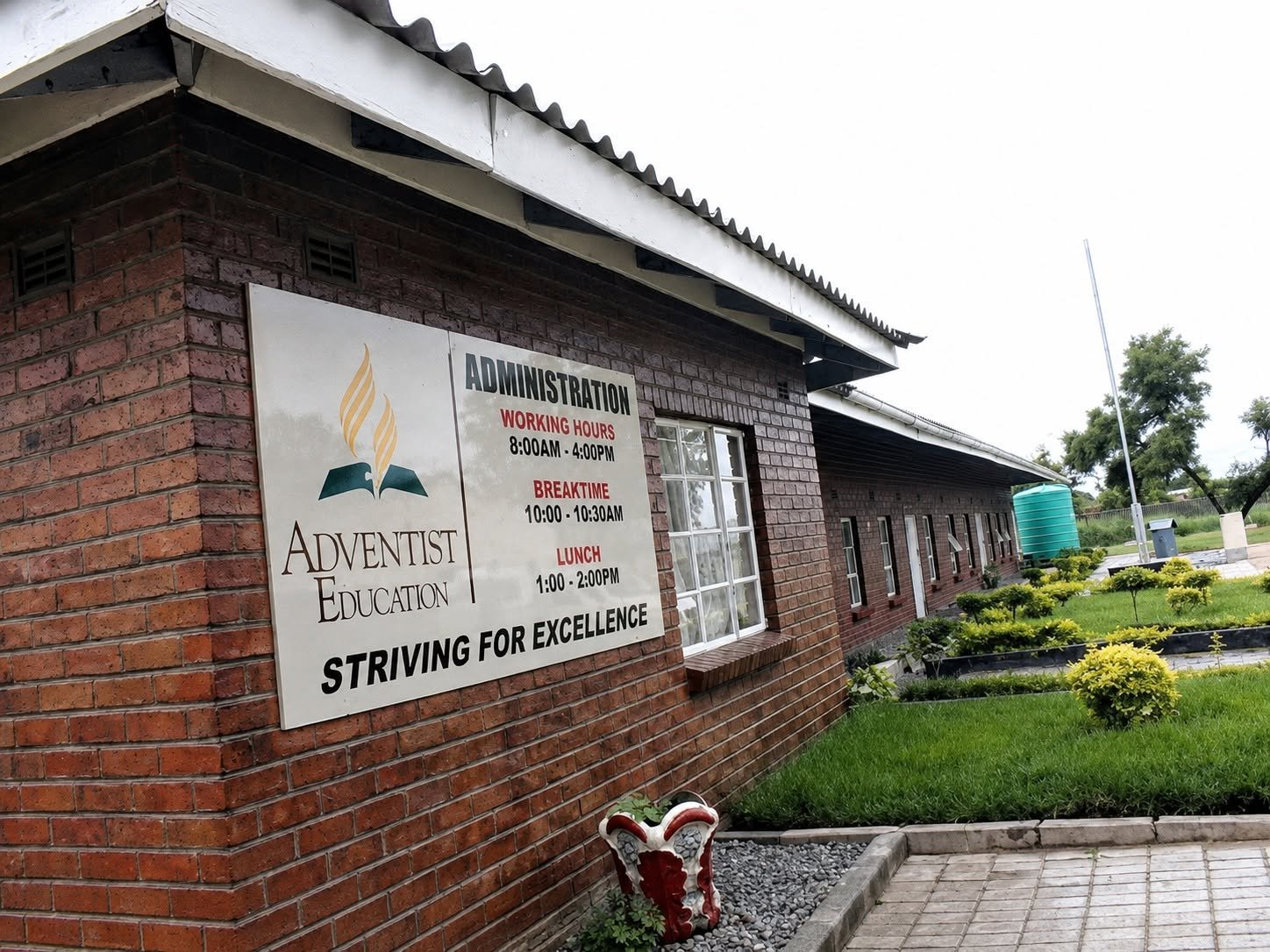
Life lessons from the corridors of Pelandaba SDA Primary School.
Let me take you back to Pelandaba SDA Primary School, long back when “ai” was an ideophone, not a religion. Back in the days of hot-sitting, where some lessons were held under trees as classes waited for their turn to use the classroom. Maybe that was fun and great in its own way, angikho lapho. I want to talk about that one child who existed in every class. The one who feared the teacher so much that they would not take their exercise book forward for marking. Maybe it was more than one child; maybe you were one of them even, angazi. But this child would not talk to the teacher even if their life depended on it.
No. Never.
Instead, they would wait somewhere along the route like a South African March and March hooligan, stopping other children as they returned from the teacher’s desk.
“What did she say?”
“Did she say number 4 was wrong?”
“Was she angry?”
“Did she pinch you?”
“Did she say we can now do number 5?”
From the information gathered, the child would then mentally mark their own work. No teacher. No red pen. No pinching. Just intelligence reports collected from survivors returning from the front line.
I still don’t blame them. Teachers were scary dark entities back then. Unpredictable monitoring spirits with eyes and ears that could sniff out lice eggs in a Grade 4’s unkempt afro six desks away. Perhaps some still are, at least in the minds of certain former children.
Sometimes the fear came from a lack of confidence in one’s abilities. Or perhaps confidence in one’s inabilities. Sometimes it came from the belief that one was not intelligent enough. I think the greatest obstacle was having to speak to the teacher in English.
Phela, remember those days well: the whole school would suddenly go quiet because the school head, uNkomo, would from time to time declare that everyone must speak English? You know those Medo-Persian decrees which even King Darius would make, then be scared of himself? I think ukhulu uNkomo would just be tired of the raucous.
It worked.
Silence would descend upon the school like a madman’s blanket, and you could feel the silence on your cheeks.
Even the loudest children, one teacher called them inyeza, cicadas, would immediately begin walking around like undercover agents, amaC10.
We would even enter the toilet cubicles as quietly as German U-boats moving through Second World War waters.
Nobody wanted to be caught speaking isiNdebele, or worse, “broken English”.
Even asking to go to the toilet became an oral English examination. I think you know that some fears have liquid results, don’t you? Say the truth.
It was safer to remain silent.
Taking the same fear into adulthood
Now, what if the same thing happens even when we become adults?
What if we still fear doctors so much that instead of taking our own book for marking, we waylay other people who have just returned from the clinic?
“What did the doctor say?”
“What tablets did they give you?”
“How many times a day?”
“Ah, my symptoms sound almost the same.”
Before long, someone is taking another person’s prescription because both of them once felt tired on a Tuesday afternoon.
What if we all begin eating liver for breakfast because a YouTube video said liver is the answer to everything? Meanwhile, perhaps some of us do not need liver at all. Perhaps some of us just need to skip breakfast, drink more water, sleep properly, or even visit an actual professional.
The internet has created a new school corridor. Everyone is waiting outside the classroom, listening to what the teacher told another child.
- We borrow diets.
- We borrow diagnoses.
- We borrow business plans.
- We borrow spiritual convictions.
- We borrow relationship advice.
- We borrow religions.
- We use other people’s faith in our situations.
We borrow other people’s answers, then force them onto questions that were never ours.
Life is not groupwork
But life is not groupwork. It is not a group exercise book.
- Your body is your own book.
- Your marriage is your own book.
- Your career is your own book.
- Your finances are your own book.
- Your faith is your own book.
Your struggles may look similar to someone else’s, but the teacher may write something completely different in your margin.
So, what are we saying this morning?
Take your own book forward.
“But let every man prove his own work, and then shall he have rejoicing in himself alone, and not in another.”
Galatians 6:4, KJV
Ask your own questions.
Receive advice that is meant for your situation.
Do not spend your whole life waiting along the corridor, interviewing people who have already been marked.
Their answer may help you, but it cannot replace your own assessment.
Yes, the teacher may look frightening. The red pen may be intimidating. You may discover that number four is completely wrong.
But that correction could save your health, your money, your marriage, your career, or even your life.
Submit your own book so it’s marked.
Do not rely only on the other child.
A word about Pelandaba SDA Primary School
Let me just tell you kancane ngeSdabhula before I go. Pelandaba SDA Primary School has since grown in infrastructure, appearance, academic performance, music and other co-curricular achievements. The school is the smallest in its district but regularly outperforms giant neighbours in academic results, choral music and beyond.
Yet its greatest contribution may be the spiritual foundation it gives children through worship, Bible teaching, discipline, service and Seventh-day Adventist Christian values. Okunye sizakuxoxa kusasa, angithi.